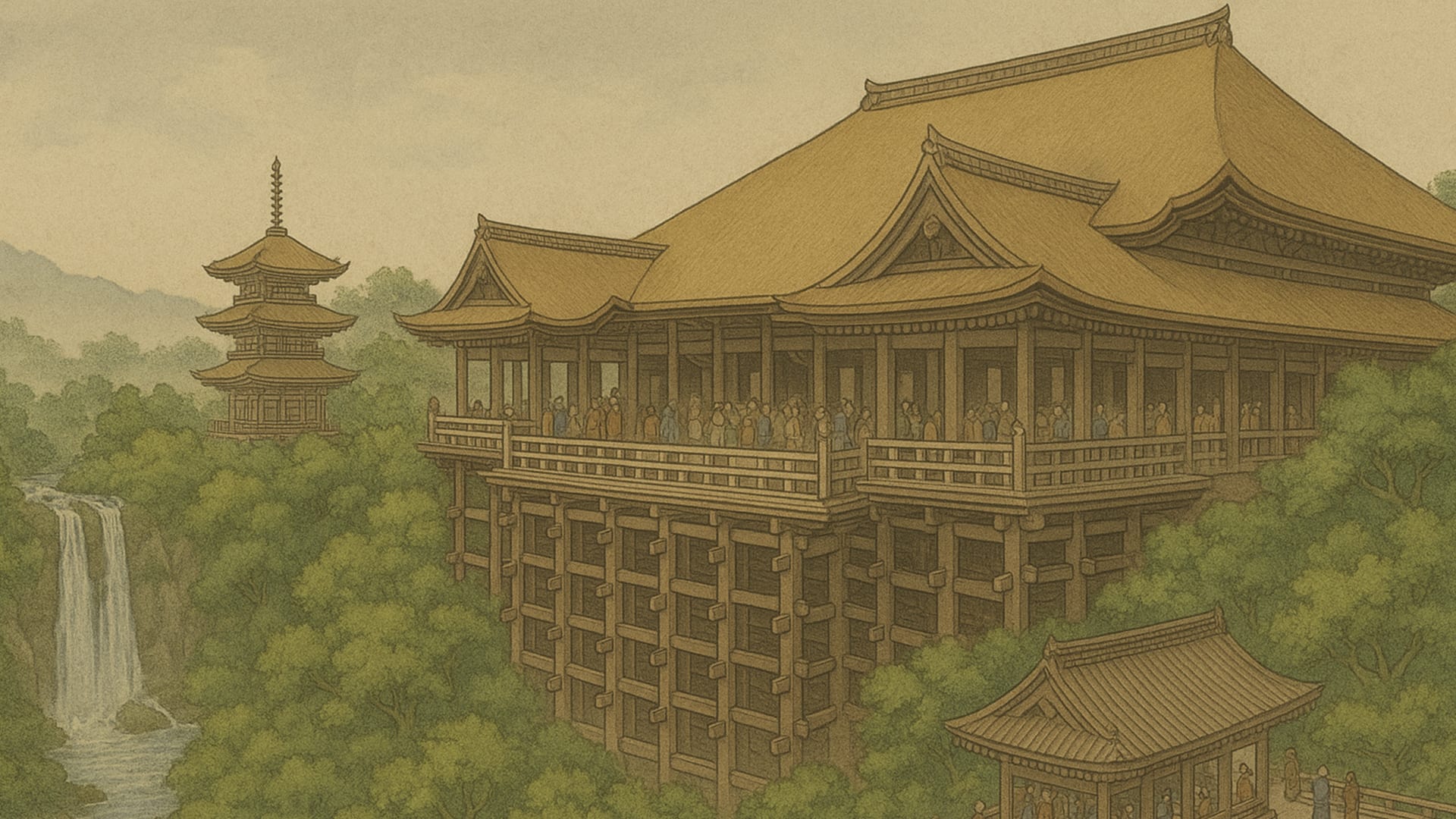
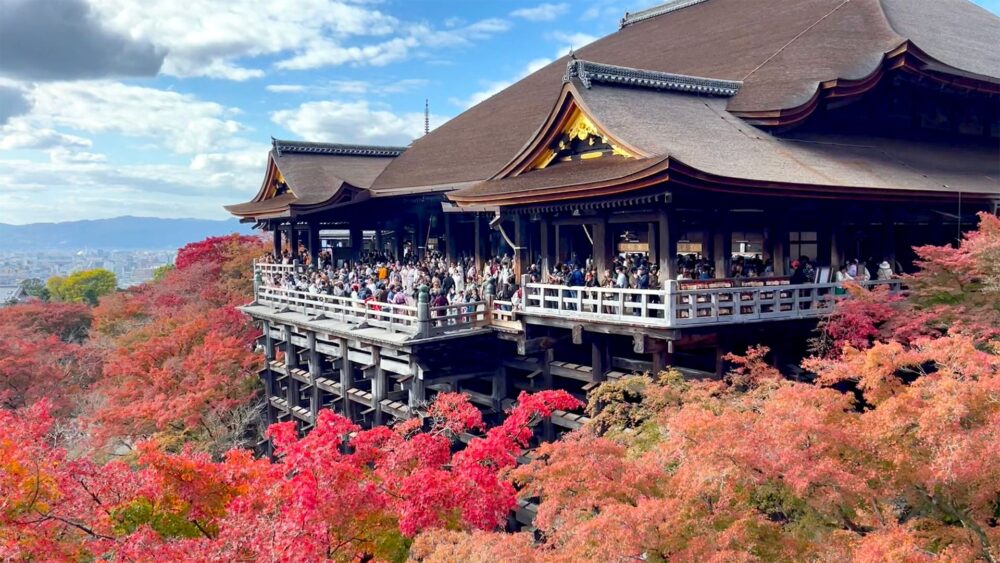
Kiyomizu-dera is said to have begun in the late Nara period, around 778 CE.
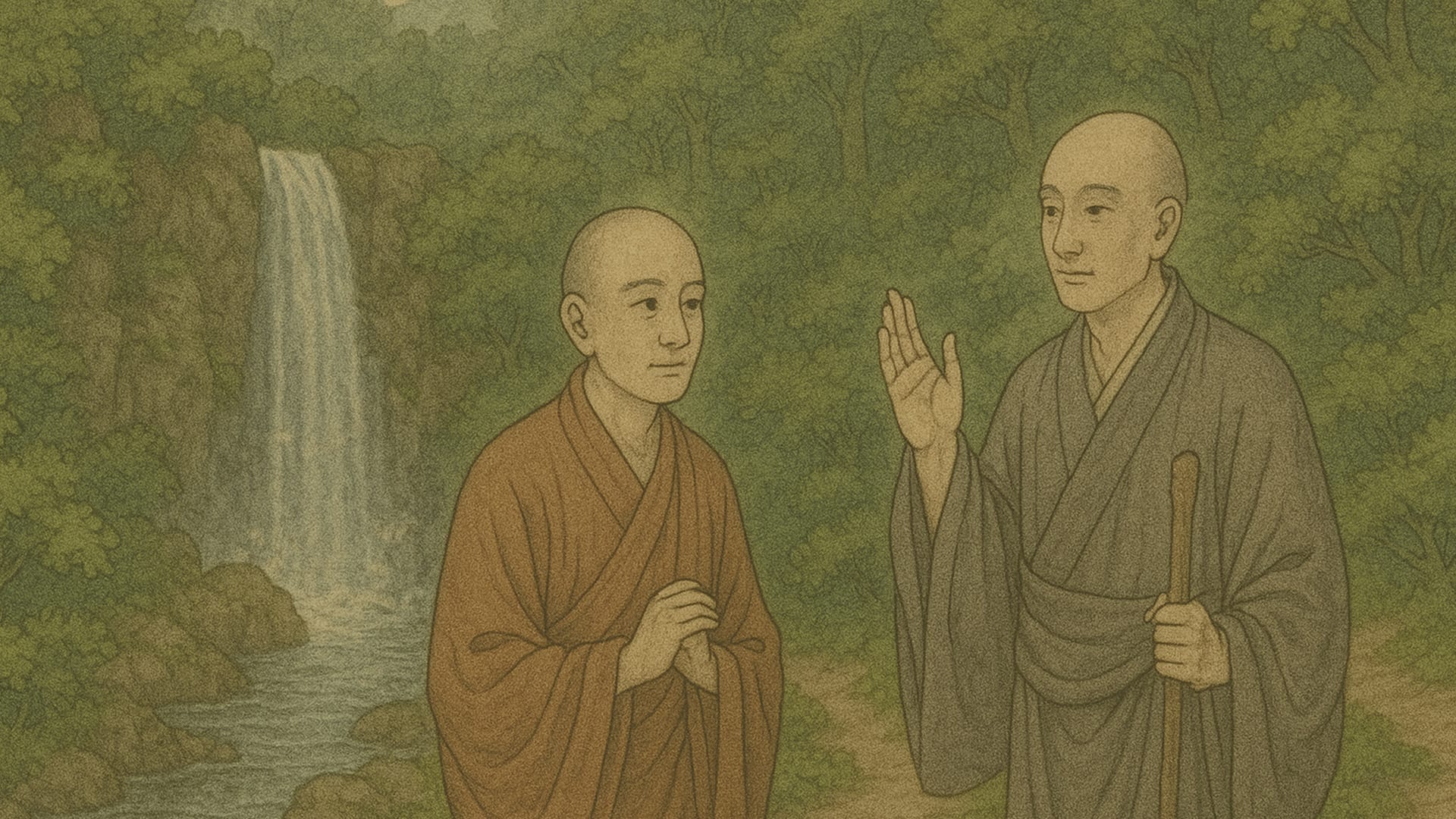
A monk named Enchin had a dream telling him:
“Go and find a sacred place where pure water springs forth.”
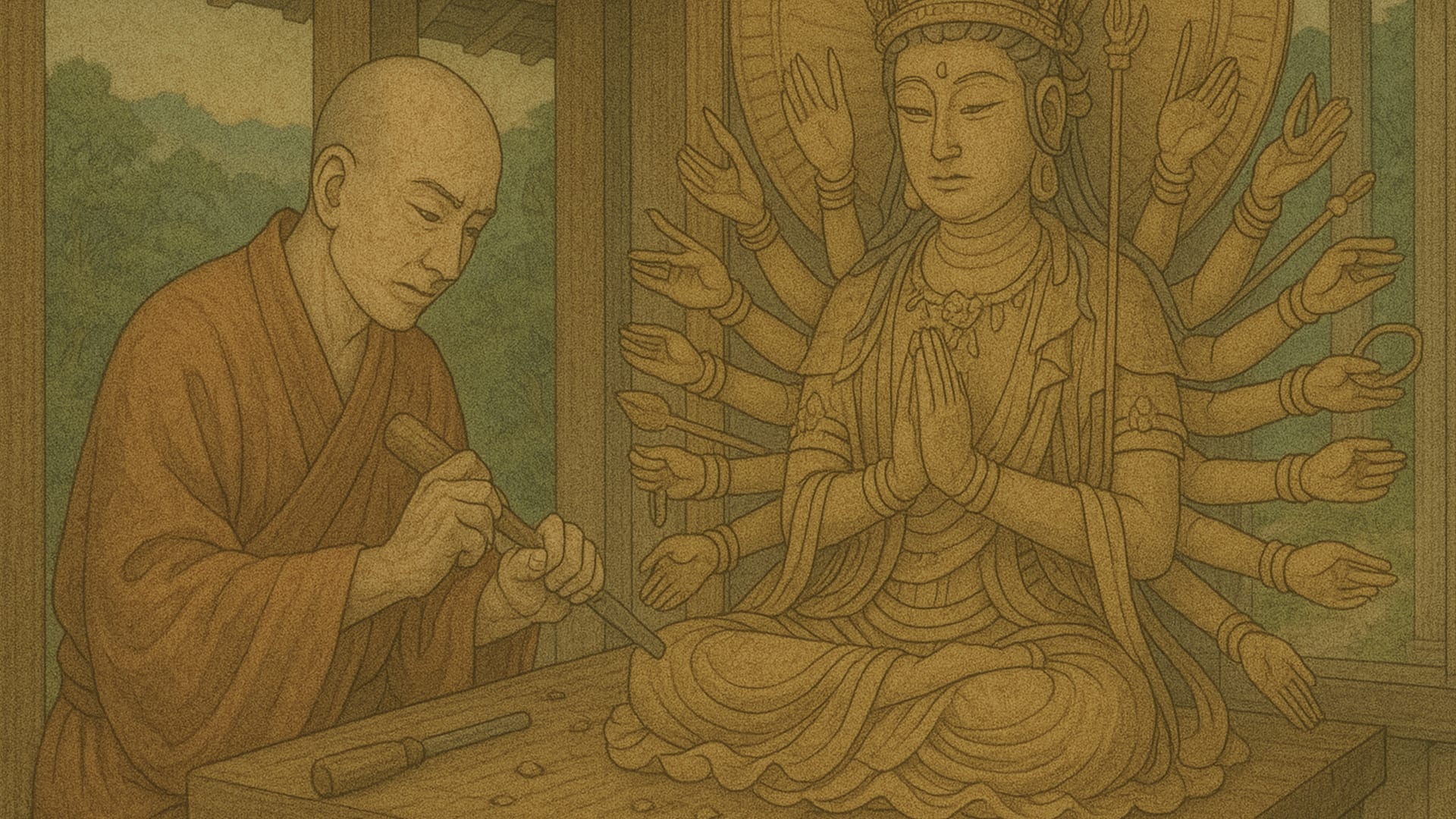
Following this divine message, he went into the mountains, where he discovered the Otowa Waterfall and met an ascetic monk named Gyoei. There, Enchin carved a statue of the Eleven-Faced Thousand-Armed Kannon and enshrined it. This is considered the beginning of Kiyomizu-dera.
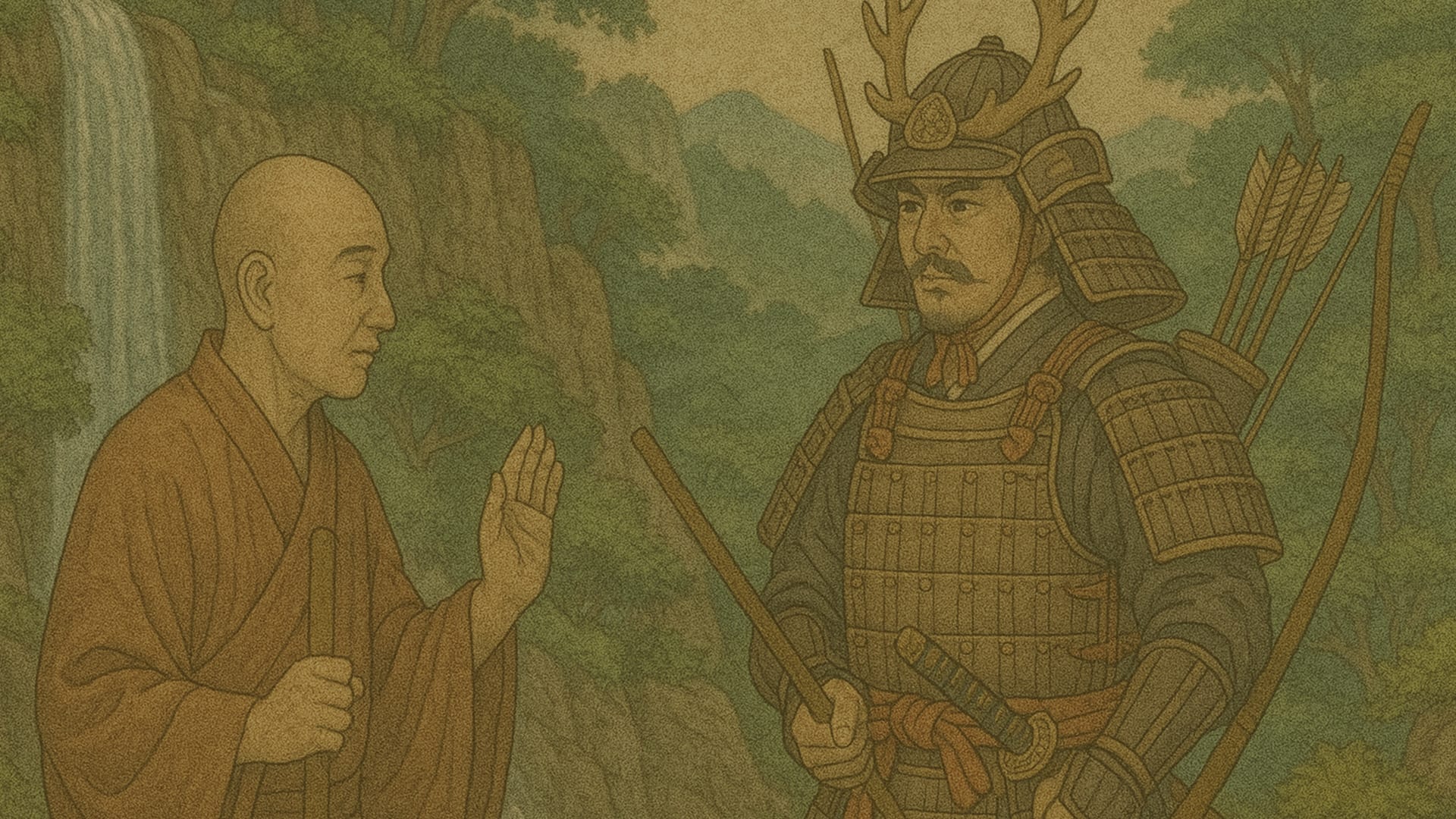
Later, Sakanoue no Tamuramaro, who would go on to become Japan’s first sei-i taishōgun (a kind of generalissimo), came to this mountain on a hunting trip. He met Enchin, was moved by his teachings, converted to Buddhism, and—according to tradition—donated his own residence to be used as a temple hall.
Because of the “pure water” flowing from the waterfall, the temple came to be called Kiyomizu-dera, which literally means “Temple of Pure Water.”
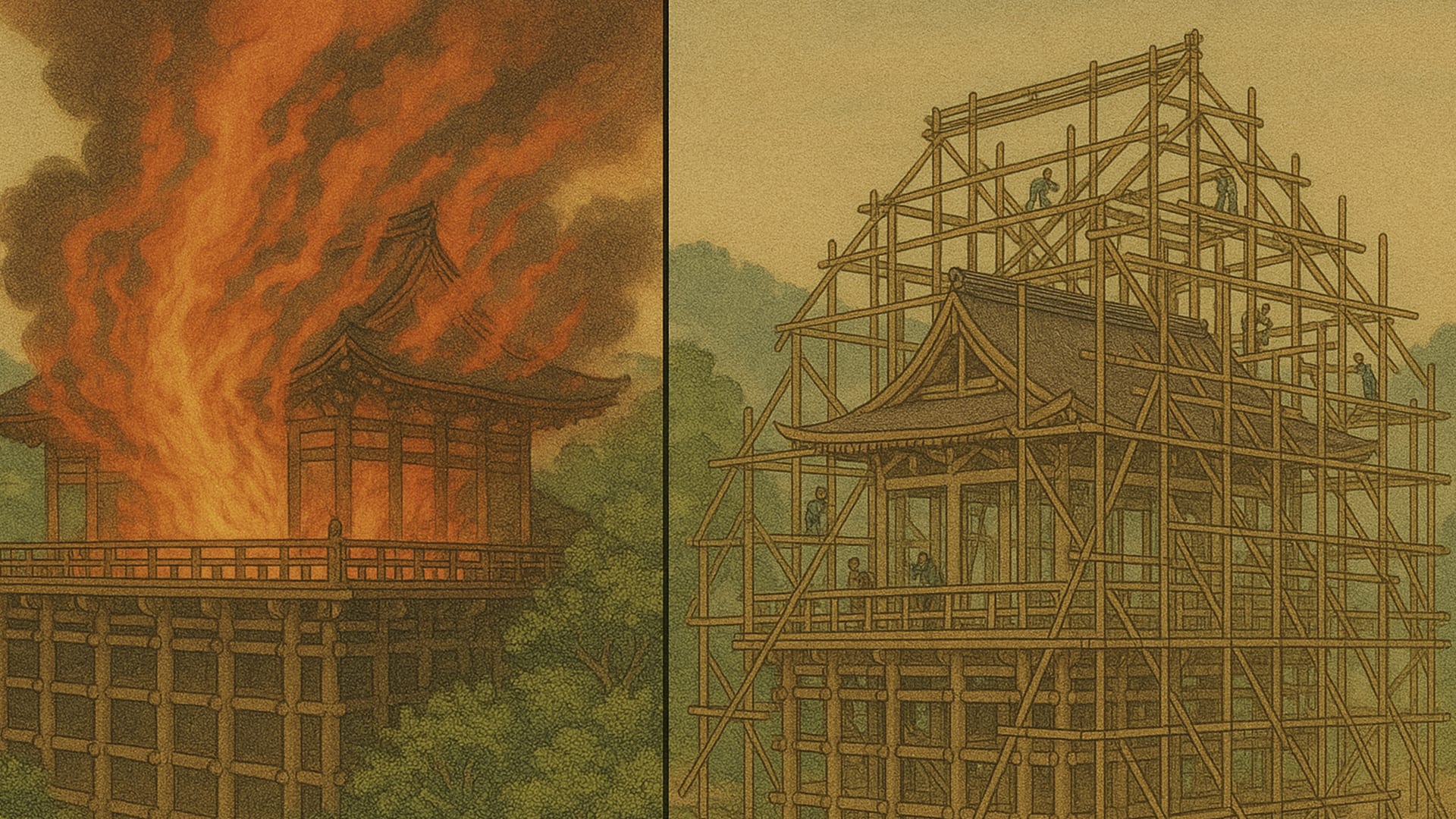
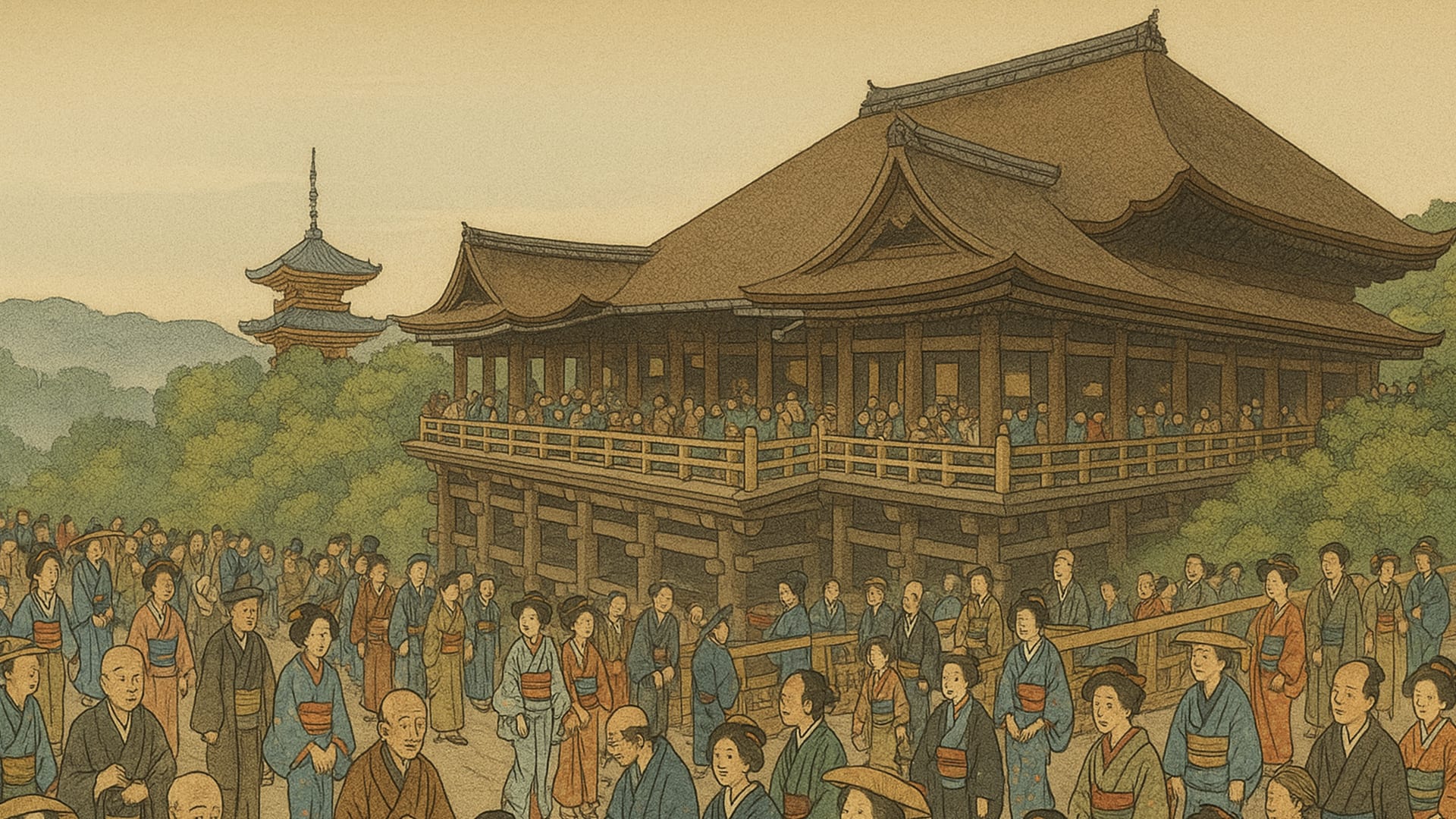
Over the centuries, Kiyomizu-dera has been deeply worshipped by people from all walks of life. Although it has been destroyed by fire multiple times, it has always been rebuilt.
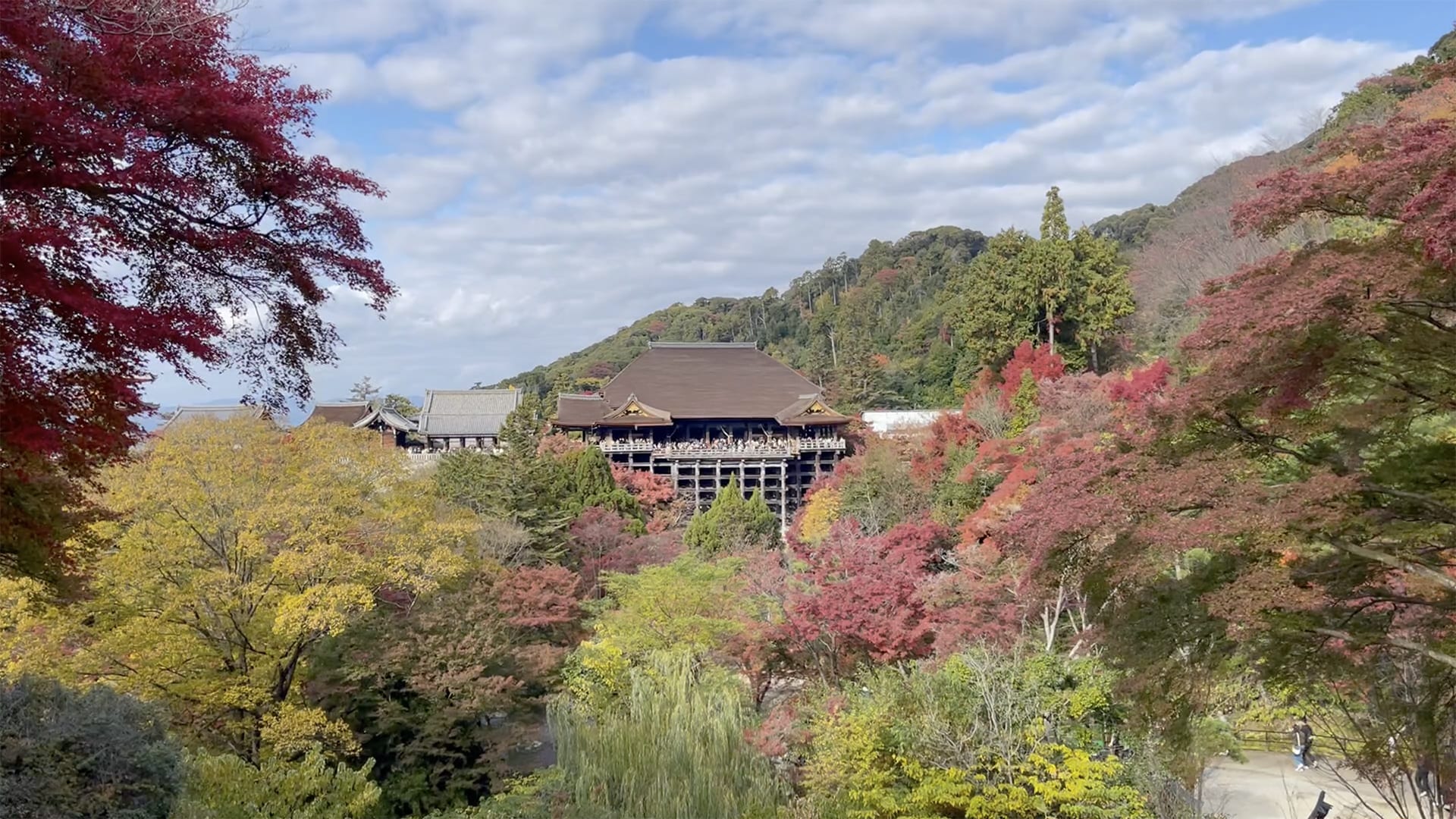
The current main hall and the famous Kiyomizu Stage are based on structures completed in the early 17th century, during the era of Tokugawa Iemitsu in the Edo period. Today, Kiyomizu-dera is part of the UNESCO World Heritage site “Historic Monuments of Ancient Kyoto” and welcomes visitors from all over the world.
The Famous “Kiyomizu Stage”
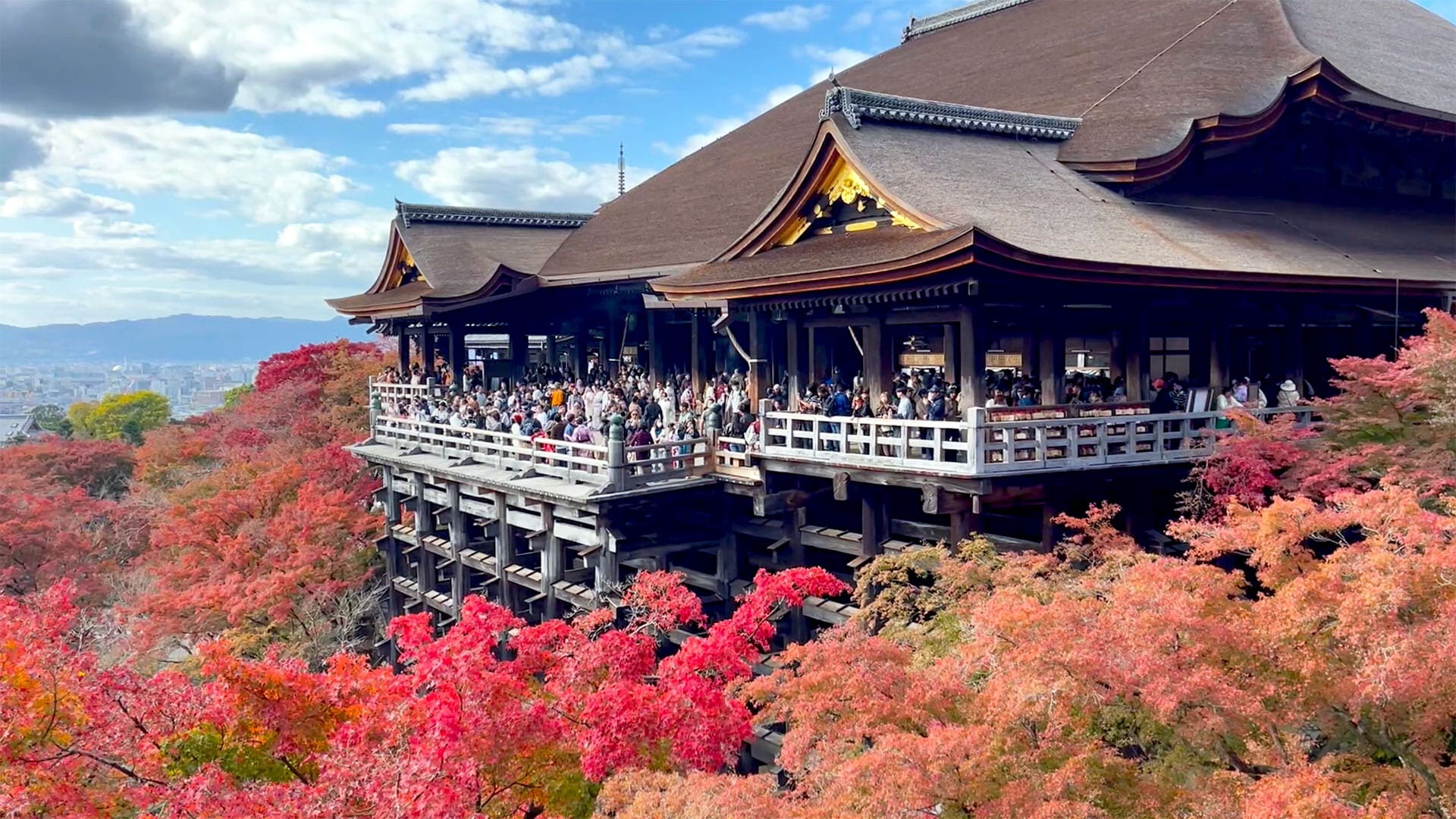
The most famous feature of Kiyomizu-dera is the large wooden stage that juts out from the front of the main hall.
There is a well-known Japanese expression:
“To jump off the stage at Kiyomizu.”
It means to make a huge, once-in-a-lifetime decision—something very serious and hard to take back.
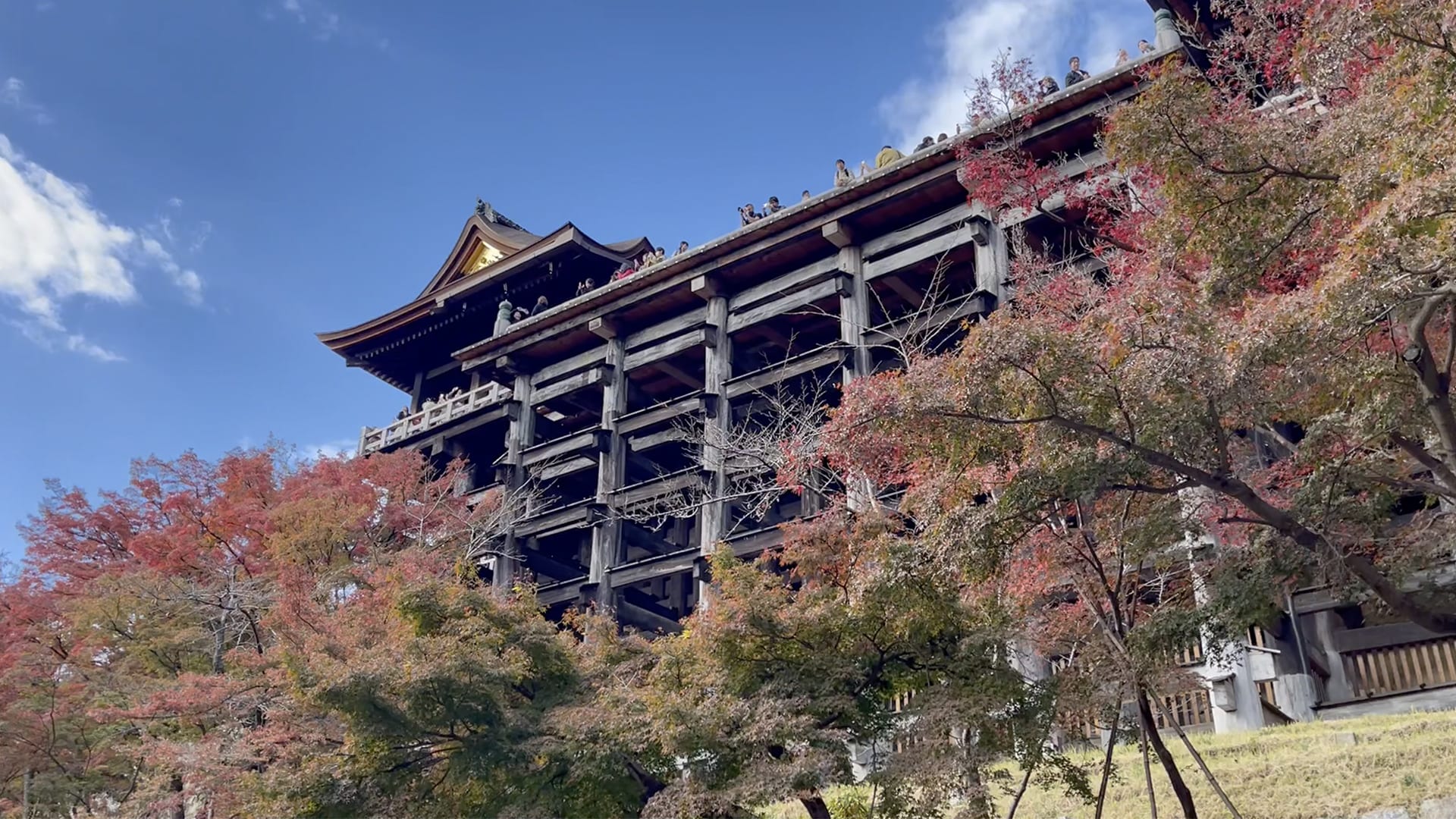
The stage projects about 13 meters over the hillside and is supported by a forest of wooden pillars, built using traditional joinery with almost no nails. From below, the structure is just as impressive as the view from above.
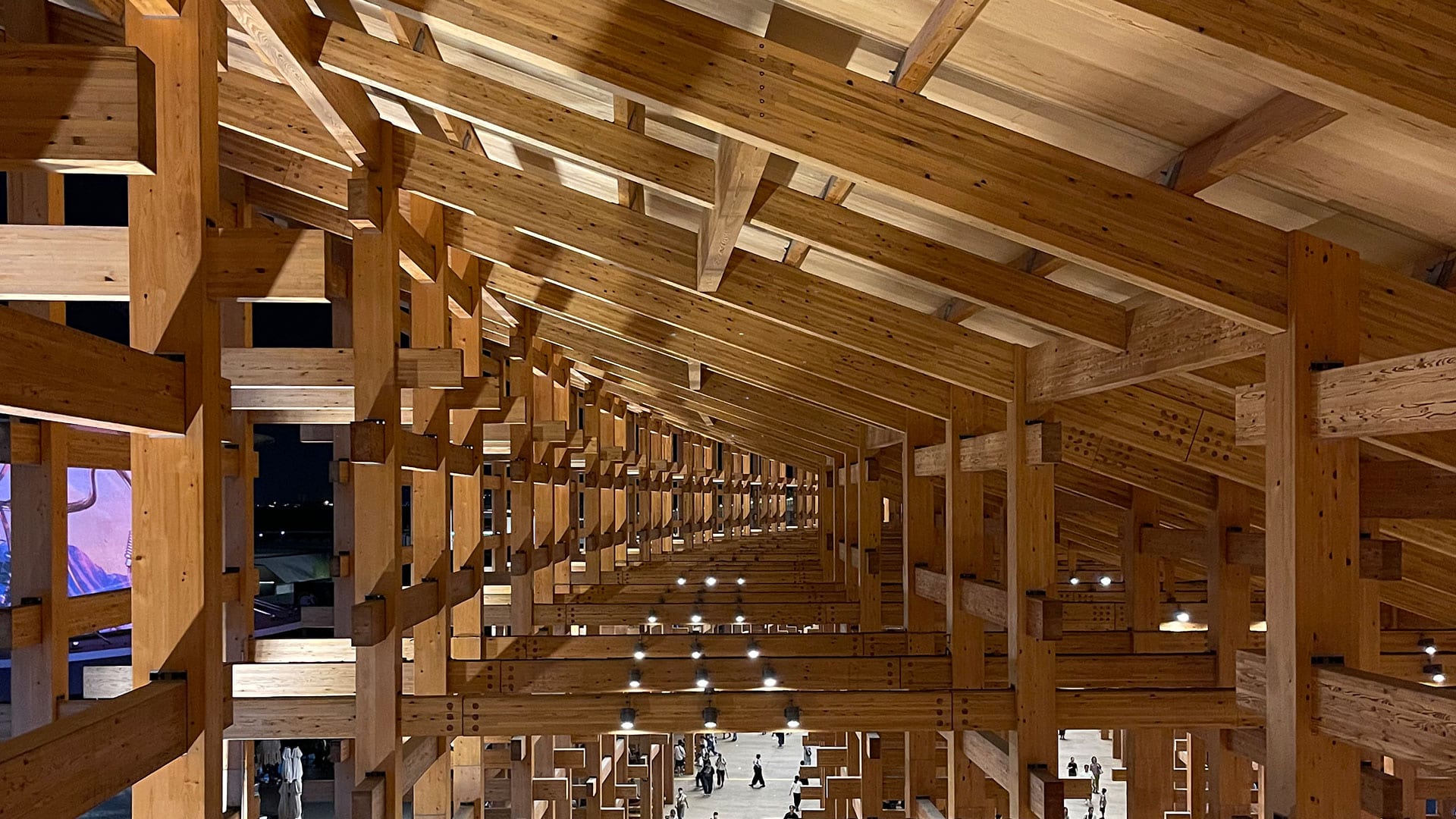
The huge roof ring at the 2025 Osaka–Kansai Expo, which recently came to an end, also used a structure inspired by traditional Japanese wooden joinery, similar to the techniques used for the Kiyomizu Stage.
Since long ago, performances of gagaku (court music), Noh, Kyogen, and kabuki have been held on this stage. From here, visitors can overlook the cityscape of Kyoto, with cherry blossoms in spring and fiery red maple leaves in autumn spreading out below.
Otowa Waterfall
If you go down the stairs below the main hall, you’ll find Otowa Waterfall, the spring that gave Kiyomizu-dera its name.
Pure water from the mountain is divided into three streams as it falls. Each stream is said to grant different blessings, such as:
success in studies
luck in love
long life and good health
When you drink the water, it’s best to follow the instructions on the signs, use the ladles or cups as directed, and keep the atmosphere quiet and respectful.
Extra Spot 1: Tainai Meguri – “Journey in the Womb”
One of the most memorable experiences at Kiyomizu-dera is something called “Tainai Meguri”, which literally means “journey inside the womb.”
In the underground area of Zuigu-dō Hall, near the main hall, there is a pitch-dark passageway where you walk while holding on to a string of large prayer beads along the wall. The space is designed to represent the inside of a Bodhisattva’s womb—a symbolic place of rebirth.
As you slowly move through the darkness, guided only by touch, you eventually reach a softly illuminated stone you can gently turn while making a wish. Emerging back into the light feels a little like being “born again,” and many visitors find the experience surprisingly powerful.
It can also be a fun (and slightly scary) experience to try together with someone you’re close to—walking side by side in total darkness definitely brings people closer.
Extra Spot 2: Benkei’s Staff – The “Japanese-Style Master Sword”
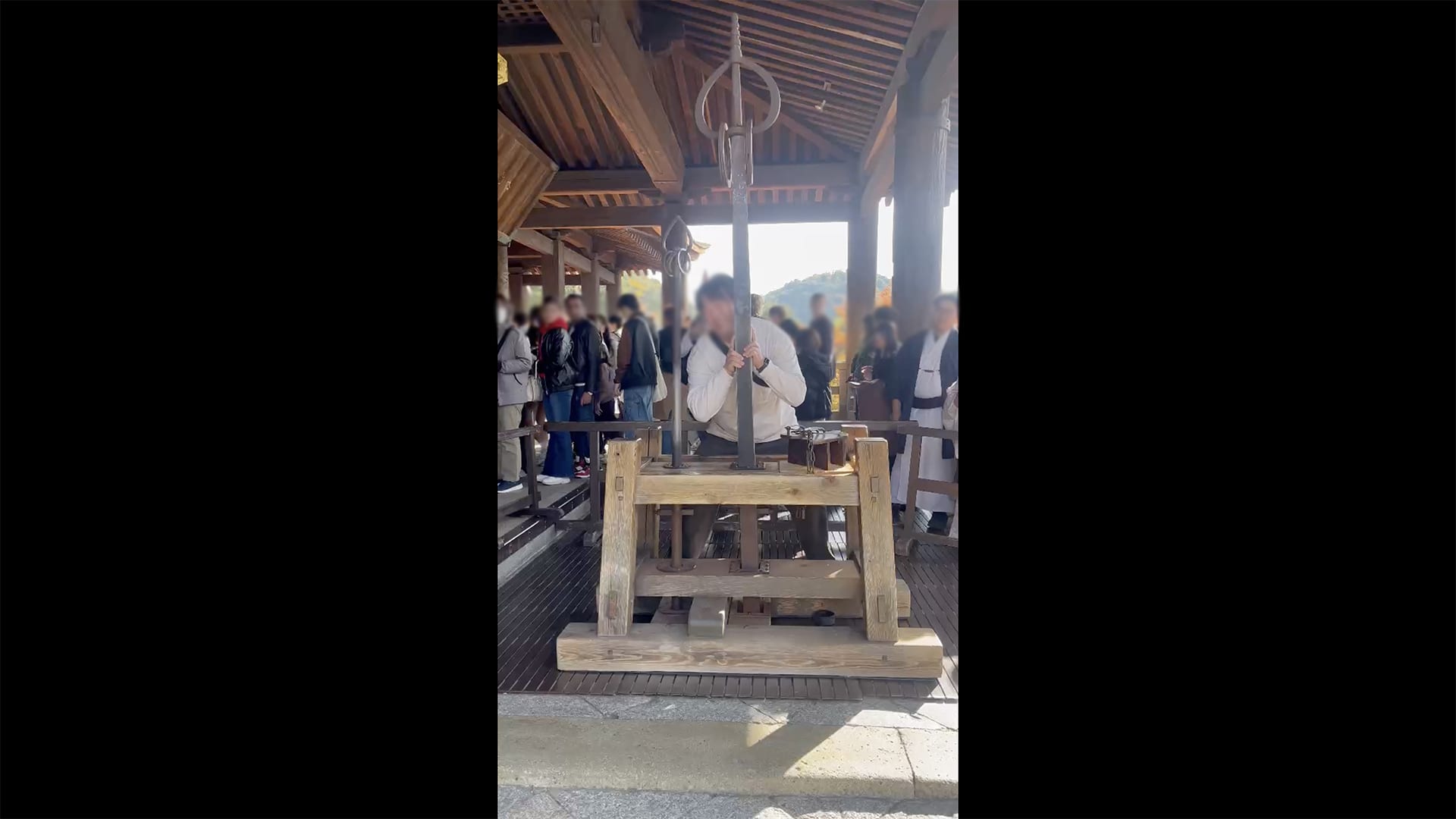
Near the Kiyomizu Stage, you’ll find a huge iron staff and heavy iron clogs.
This staff is linked to the legendary warrior monk Musashibō Benkei, famous in Japanese history for his incredible strength. It is said to be a kind of strength test inspired by his legend.
According to local stories, if someone strong enough can lift this staff—which has humbled many would-be strongmen—good fortune will come their way.
With that in mind, it feels a bit like a Japanese-style “Master Sword” from a video game: a legendary weapon that only a true hero can lift. It’s just sitting there, quietly waiting for your challenge (while you, of course, respect any signs and rules around it).
Tips and Manners for Visiting Kiyomizu-dera
To make the most of your visit, keep these simple tips in mind:
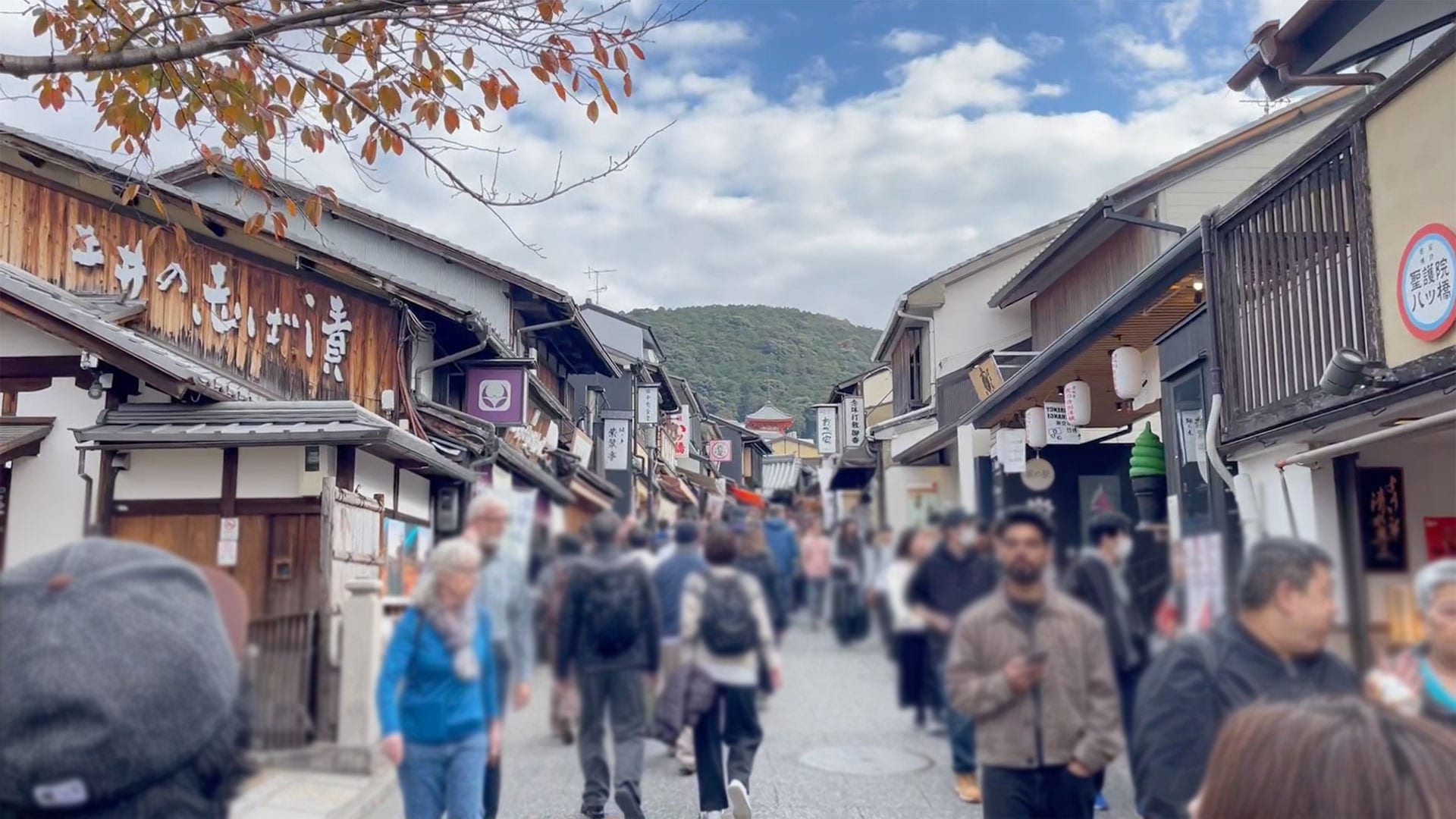
Time your visit Go early in the morning or close to closing time to avoid the biggest crowds.
Wear comfortable shoes There are many slopes and stairways, so good walking shoes are highly recommended.
Check the signs Some parts of the main hall and other buildings are no-photo zones. Always follow the posted rules.
Be respectful at sacred spots At Otowa Waterfall, in prayer areas, and around popular spots like Benkei’s staff, line up politely, move at a reasonable pace, and keep your voice low so everyone can enjoy their visit.
Closing
Kiyomizu-dera is more than just a beautiful viewpoint over Kyoto. Its history, legends, and unique experiences—like Tainai Meguri and Benkei’s iron staff—make it a place where you can really feel the layers of Japanese culture and belief.
If you’re planning a trip to Kyoto, taking a little time to learn these stories beforehand will help you see Kiyomizu-dera in a completely different way.